By Musiime George
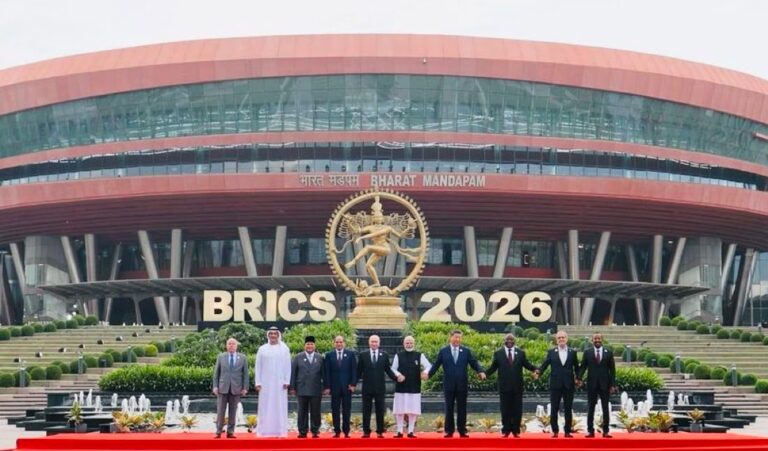
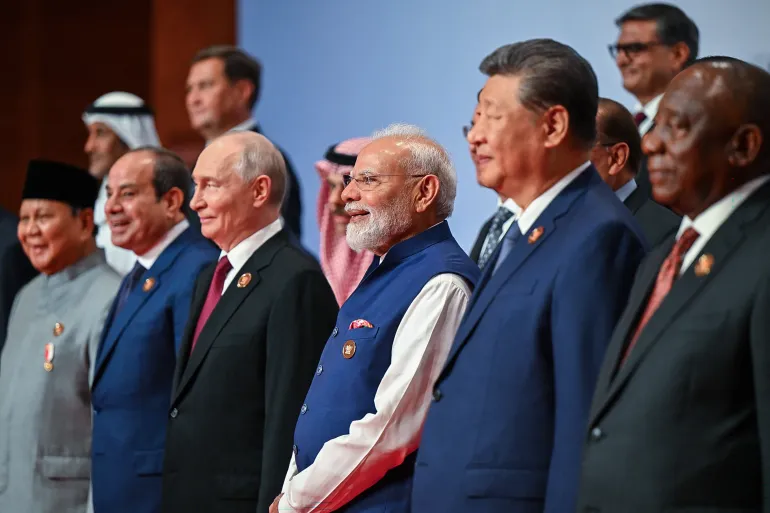
The 2026 BRICS Summit has been the second for Uganda since its formal admission in 2025, as a partner state into one of the world’s most consequential and, the fastest expanding coalition of emerging economies. Being the first East African nation [to reach this milestone] Uganda needs to view its participation in an expanding BRICS, not as a diplomatic achievement in itself, but as a strategic development opportunity. Kampala’s, main focus should be on converting this position within BRICS into greater diplomatic leverage, investments opportunities, alternative sources of development financing while positioning itself as the region’s gateway into the broader BRICS economy. A strategy that combines such objectives will be key in turning the unique diplomatic window into opportunities that reinforce national development goals articulated in Vision 2040.
Whereas the current status under the BRICS framework doesn’t grant Uganda voting rights, even more important than setting the country on a path to eventual membership is that, this position gives it diplomatic opportunities with great potential of becoming transformative. Going into future summits therefore, the key question should become what more can be achieved with this access even before full membership comes into the picture.
Being a group with nearly half the world’s population, and 40% share of global GDP, to Uganda; BRICS offers a huge consumer market, major source of capital, alternative sources development financing, and the added benefit of major technological capabilities; this while also building a wide diplomatic network. All these collated, widen the spectrum of benefits and prospects for national transformation among which is breaking overreliance on a single dominant partner; the West —which also is a strategic strangle-hold on national growth prospects. However, this isn’t to buttress the belief that all the above benefits will automatically materialize with flying in the BRICS orbit. By contrast, their attainment linked to a combination of painstaking strategy and diligent execution —the inroad to turning inclusion into benefits, and opportunity into results.
In the last 20 years, BRICS has grown both in geographical reach, economic weight and, continues on this path. With a membership of eleven emerging economies, and dozens of other nations awaiting admission, the trend signals both growing diplomatic as well as economic influence; —what many small nations in the global south could leverage in their efforts to transform into modern economies. Moreover, as BRICS’ global importance in agenda setting grows, it grows along with Uganda’s diplomatic role as it contributing to norm setting within the platform. Integration into high-level engagements with in the group also implies a growing diplomatic footprint that will in turn increase Uganda’s influence and expand its role in regional, continental, and global south diplomacy.
Turning diplomatic engagement to practical economic and trade cooperation. Since joining BRICS, Uganda has experienced increased high-level diplomatic engagement within the group but also more member states including accelerating the work and broadening scope of the Uganda-Russia Intergovernmental framework last year just as one case. This has also culminated into the operationalization of bilateral and multilateral arrangements in trade, science & Technology, and industrial innovation. But the most immediate outcome with superlative consequence has been access to the New Development Bank (NDB) an alternative channel for development financing —and diversifying of foreign policy beyond traditional Western powers.
Now with access to the NDB, pursuing integration with alternative payment systems such as Russia’s SPFS China’s CIPS will not only play a critical role in diversifying and facilitating trade but it will also go a long way in derisking trade. Held together with ongoing domestic and regional infrastructure development, the two will reduce overreliance on the dollar and expand trade opportunities serving as a strong engine for growth. Nevertheless, this, pursued exclusive of agricultural modernization, technology, skills and knowledge transfer may not be as consequential. Whereas the latter establishes connectivity and grows national output of tradable goods, the former stands as a key factor in derisking trade by cushioning growth aspirations from an increasingly risky geo-economic environment.
It’s also my strong conviction that with access to the NDB, Uganda gained access to an alternative source of financing —which it must make use of especially as it prioritizes large scale infrastructure projects. As the region’s sole BRICS partner, it should aim to establish itself as a regional logistical and manufacturing hub for the BRICS economy. Here the pitfall that must be avoided is becoming a market for BRICS goods. Instead, the status within the alliance ought to be viewed in terms of the market potential, relationship needing leveraging for capital, technology and Industrial machinery to boost production and exports.
Uganda’s strong positions in minerals and other natural resources, agriculture and tourism need to be backed by vibrant industrial value addition, plus a strong service sector for better outcomes. In collaboration with regional and BRICS partners, Uganda has the opportunity of become a regional economic corridor for this market. The NDB, here must be leveraged as an alternative to slow-moving, red-tape riddled western financing if the country is to undertake large-scale infrastructure project towards this objective. Indeed, this should be treated as critical in circumventing the limitations posed by a modest market of 48 million.
Uganda’s message at the summit was vivid; emphasizing strategic autonomy and global south solidarity. within this very framework however, Uganda needs to focus more on diversification than wholesale geopolitical alignment and outcomes not symbolism. The structure of BRICS is free from some key flaws common with western dominated multilateral platforms thus working within the latter, Uganda is capable of achieving more as long as its action with in the platform is guided by a clear strategy
By Musiime George